

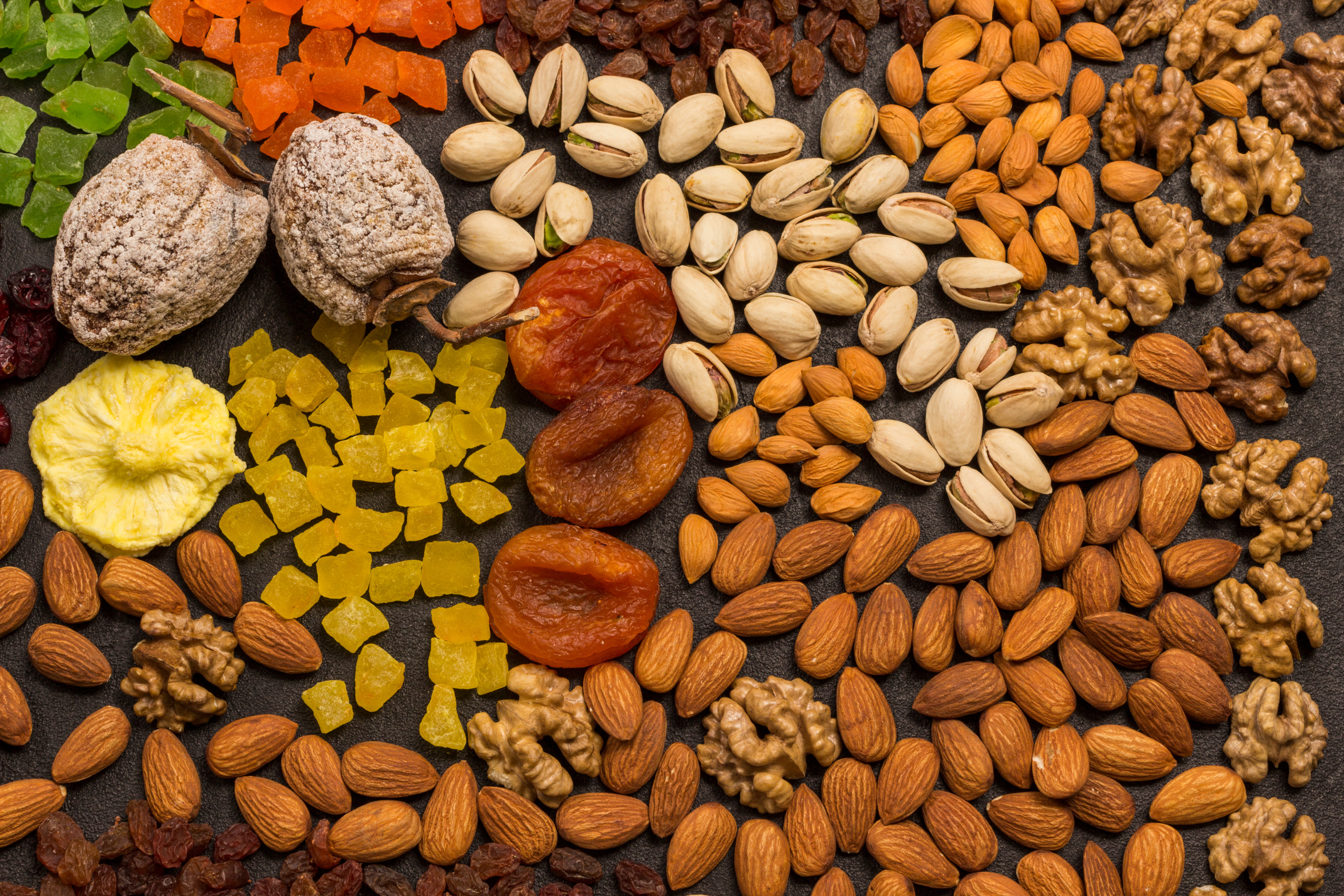
When it comes to healthy snacking, dry fruits are often overlooked, despite being one of the most nutrient-dense and convenient snack options available. Packed with essential vitamins, minerals, and fiber, dry fruits like almonds, walnuts, cashews, raisins, and dates offer a host of health benefits. Whether you’re looking for an energy boost, a way to curb your hunger between meals, or a nutritious addition to your diet, dry fruits are a perfect choice. In this blog, we’ll explore the top 5 reasons why dry fruits should be your go-to snack.
1. Rich in Nutrients and Vitamins
Dry fruits are powerhouses of essential nutrients. They are packed with vitamins, minerals, and healthy fats that provide your body with the nutrition it needs to function optimally. Unlike processed snacks that are often filled with empty calories, dry fruits offer a wealth of health benefits in each bite.
2. Excellent Source of Fiber
One of the standout benefits of dry fruits is their high fiber content. Fiber plays a crucial role in maintaining digestive health, preventing constipation, and supporting overall gut health. Since dry fruits are concentrated, they provide a higher amount of fiber per serving compared to their fresh counterparts.
Top 5 Reasons Dry Fruits Should Be Your Go-To Snack
When it comes to healthy snacking, dry fruits often stand out as one of the best choices. Rich in essential nutrients and packed with health benefits, dry fruits like almonds, walnuts, raisins, dates, and cashews provide a powerful energy boost and are an excellent option for those looking for a nutritious alternative to processed snacks. Whether you are aiming for better health, weight management, or simply a satisfying snack between meals, dry fruits offer numerous advantages that can be incorporated into your daily routine. In this blog, we’ll explore the top 5 reasons why dry fruits should be your go-to snack.
1. Nutrient-Dense Powerhouses
Dry fruits are an incredibly nutrient-dense food option, meaning they pack a lot of essential nutrients into a small serving. Unlike processed snacks that are often high in refined sugars, unhealthy fats, and empty calories, dry fruits provide a range of important vitamins, minerals, and healthy fats that support overall health.
Rich in Essential Nutrients:
- Healthy Fats: Many dry fruits, such as almonds, walnuts, and cashews, contain high amounts of unsaturated fats, particularly omega-3 fatty acids. These healthy fats are essential for heart health, reducing the risk of cardiovascular diseases and improving brain function.
- Vitamins: Dry fruits are a great source of important vitamins, such as Vitamin E, which acts as a powerful antioxidant to protect your cells from damage, and B-vitamins, which are crucial for energy metabolism and the health of your nervous system.
- Minerals: Dry fruits such as almonds, cashews, and apricots are rich in minerals like calcium, magnesium, and potassium. These minerals are essential for strong bones, proper muscle function, and maintaining healthy blood pressure levels.
By incorporating dry fruits into your daily snack routine, you’ll be feeding your body with the essential nutrients it needs to function at its best.
2. Excellent Source of Fiber
One of the most significant benefits of dry fruits is their high fiber content. Fiber is an essential nutrient that plays a key role in maintaining a healthy digestive system, supporting regular bowel movements, and promoting satiety. Because dry fruits are more concentrated than fresh fruits, they provide a higher amount of fiber per serving.
How Fiber in Dry Fruits Benefits Your Health:
- Supports Digestive Health: The fiber found in dry fruits helps promote regular digestion by preventing constipation and supporting healthy bowel movements. A high-fiber diet is also associated with a reduced risk of developing gastrointestinal issues like irritable bowel syndrome (IBS).
- Promotes Satiety: Fiber-rich foods take longer to digest, which means they help keep you feeling full for longer periods of time. This is especially beneficial for those looking to control their appetite and avoid unhealthy snacking between meals.
- Blood Sugar Regulation: The fiber in dry fruits helps to slow the absorption of sugar into the bloodstream, preventing spikes in blood sugar levels. This makes dry fruits a great option for individuals with diabetes or anyone looking to manage their blood sugar levels more effectively.
Consuming dry fruits regularly is an easy and natural way to increase your daily fiber intake, helping to maintain digestive health and promote a sense of fullness between meals.
3. Convenient and Portable Snack
One of the best things about dry fruits is how easy they are to carry around and incorporate into your daily routine. Unlike fresh fruits, which can spoil quickly or require refrigeration, dry fruits have a long shelf life and are highly portable, making them a convenient on-the-go snack option.
4. Natural Energy Boost
If you’re looking for a quick energy boost without reaching for sugary, processed snacks, dry fruits are the perfect solution. They are naturally rich in sugars, healthy fats, and carbohydrates, making them an ideal source of sustainable energy. Unlike energy bars or candies that can lead to an energy crash, dry fruits provide a more balanced and longer-lasting energy supply.
5. Heart-Healthy Snack Option
Dry fruits are known to have numerous cardiovascular benefits, making them a heart-healthy snack choice. Many dry fruits are high in healthy fats, such as omega-3 fatty acids, which are essential for maintaining a healthy heart and preventing heart-related diseases.
6. Supports Weight Management
Dry fruits can be a helpful ally in maintaining a healthy weight or supporting weight loss efforts. While they are calorie-dense, the combination of fiber, healthy fats, and protein in dry fruits helps to curb hunger and keep you feeling full for longer periods. When consumed in moderation, they can aid in weight management by promoting satiety and reducing the likelihood of overeating.